before 1983
A Friendship Forged in Books
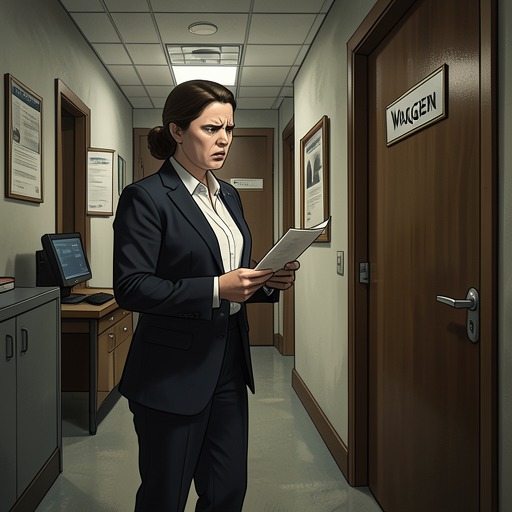
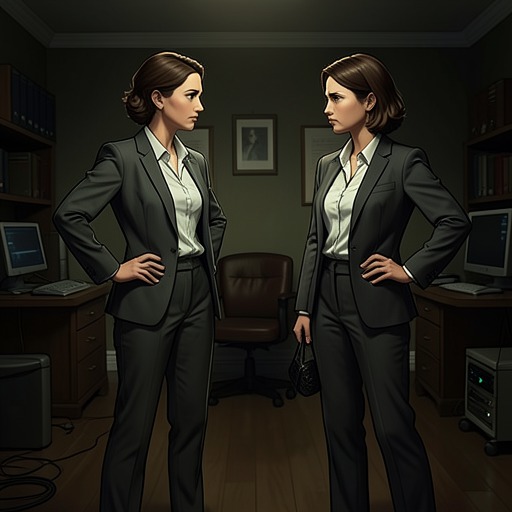
Long before either woman became famous, [Kendra Rae Phillips and Diana Gordon](entity:relation-recall-relation-kendra-rae-phillips-123461fc785d) built a friendship around books, shared ambitions, and the prospect of making work that spoke honestly about Black life. [Diana](entity:character-recall-character-diana-baf651a1725a) later entrusted Kendra with editing [Burning Heart](entity:object-recall-object-burning-heart-96e78802acf4), a novel whose force depended on giving its young heroine room to live beyond other people’s expectations.
Their collaboration reshaped the manuscript and helped it reach readers across racial and class lines. The partnership that made them a formidable creative team would later become the ground on which betrayal and estrangement took hold.
1983, before Burning Heart’s publication
Kendra Faces Wagner’s Gatekeeping
At [Wagner Books](entity:organization-recall-organization-wagner-books-db5f4e19b88d), [Richard Wagner](entity:character-recall-character-richard-wagner-455d6a2b734f) had reservations about [Burning Heart](entity:object-recall-object-burning-heart-96e78802acf4)’s commercial prospects and treated its Black subject matter as a risk. [Kendra Rae Phillips](entity:character-recall-character-kendra-rae-phillips-f9400d49b726), already wary of white gatekeepers, fought for the book and for the editorial choices that made it more than a safe, marketable story.
[Diana Gordon](entity:character-recall-character-diana-gordon-3b832a30029d) and Kendra pushed the novel toward a bolder version of itself. Their success would prove the skeptics wrong, but it also placed Kendra in direct conflict with the institution whose approval had helped bring the book into the world.
September 1983
Burning Heart Tops the Charts
After [Burning Heart](entity:object-recall-object-burning-heart-96e78802acf4) reached number one on the New York Times bestseller list, Wagner staged a celebration at [Antonio's](entity:location-recall-location-antonio-s-e22364c67e69) in the [Manhattan Financial District](entity:location-recall-location-ffabffc4e0d3). Kendra and [Diana](entity:character-recall-character-diana-baf651a1725a) were suddenly the evening’s celebrated pair, with interviews, publicity, and the possibility of a major magazine cover opening before them.
Kendra nevertheless remembered how little faith Wagner had shown in the book before its success: the modest money, short tour, and doubts about its audience. Diana urged her to enjoy what they had achieved, while Kendra remained convinced that the company had protected itself in case their book failed.
September 1983
A Fight Over Representation
At the celebration, Kendra argued with a Wagner guest who defended Ben Kingsley’s casting as Gandhi. She challenged him with the reverse example of Billy Dee Williams playing Mozart, exposing how readily white audiences accepted white actors in other people’s histories but resisted the reverse.
Her sharpness reflected a deeper exhaustion with the white publishing world around her. [Diana](entity:character-recall-character-diana-baf651a1725a) could celebrate the success and treat Richard as a useful ally; Kendra could not forget how the same gatekeepers had doubted the work and controlled its chances.
October 1983
Diana Fears Kendra’s Anger
In Vermont, [Diana](entity:character-recall-character-diana-baf651a1725a) prepared for a public event with Kendra while managing her unease about the press attention surrounding [Burning Heart](entity:object-recall-object-burning-heart-96e78802acf4). [Elroy K. Simpson](entity:character-recall-character-elroy-k-simpson-ffb0adddebb7) noticed her anxiety and the effort she put into her appearance, gently warning that success might be changing her.
A newspaper headline about Kendra’s sharp public comments arrived before the event. Diana feared the audience might ask about it, while Elroy urged her to keep quiet until they could speak to Kendra privately. Then a call came in with an urgent request to do something immediately.
late 1983
Richard and Diana Consider a Scheme
[Diana](entity:character-recall-character-diana-baf651a1725a) and Richard discussed how to quiet the fallout from Kendra’s public condemnation of white writers. Diana contacted [Imani](entity:character-recall-character-imani-3e59d6c7b288), a chemist friend, about a hair product she hoped might make Kendra more comfortable and less confrontational in the workplace.
Diana framed the plan as a temporary kindness that could protect Kendra and preserve their shared future. Richard supplied support, while Diana persuaded herself that changing Kendra’s behavior was a way to reduce the harm the publishing world was doing to her.
late 1983, before December
Kendra’s First Formula Trial
[Imani](entity:character-recall-character-imani-3e59d6c7b288) prepared an early hair-conditioner formula, and [Diana](entity:character-recall-character-diana-baf651a1725a) brought it to Kendra, who trusted her friend enough to let her apply it. Imani insisted that it was not supposed to burn; Kendra tested it and then let Diana work it into her hair.
The application became a pivotal breach of trust. What Diana had called help was connected to a project meant to change how Black women behaved around white people, a secret that would haunt Kendra long after the two friends separated.
December 1983
Kendra Flees Wagner
With her scalp burning and her name being dragged through the newspapers, [Kendra Rae Phillips](entity:character-recall-character-kendra-rae-phillips-f9400d49b726) secretly left her apartment and headed to [Grand Central Terminal](entity:location-recall-location-grand-central-termin-94e7ec67f371). She carried the savings she had hidden away but had not decided where she would go; her immediate aim was distance from [New York City](entity:location-recall-location-7a11f2949ca3) and from the people who might be looking for her.
A conductor recognized her from the news, but Kendra deflected his suspicion with a joke and boarded the train. As it pulled away, the burning did not stop. Her escape became the start of decades in hiding rather than a clean break from the forces that had driven her out.
June 2016
Nella Joins Wagner
[Nella Rogers](entity:character-recall-character-nella-rogers-4360f46c26df) began building a career at [Wagner Books](entity:organization-recall-organization-wagner-books-db5f4e19b88d), where she worked as an assistant to [Vera Parini](entity:character-recall-character-vera-parini-438d22312e49) and hoped eventually to become an editor. Her presence made her the only Black woman in much of the editorial office, leaving her to navigate daily isolation alongside the small indignities of being treated as a representative for an entire race.
A later file entry would show that someone was already recording details about Nella, including her [Connecticut](entity:location-recall-location-cbc4454417c2) upbringing and white boyfriend, [Owen](entity:character-recall-character-owen-63fed795a993). At the time, she did not know that her life at Wagner was being observed and catalogued.
after the North Carolina shooting and before July 2018
Wagner’s Diversity Meetings Falter
After a Black man was shot in North Carolina while apparently reaching for his hearing aid, [Richard Wagner](entity:character-recall-character-richard-wagner-455d6a2b734f) announced a series of company Diversity Town Halls. Nella hoped the meetings might confront the homogeneity of the publishing house and its hiring practices.
Instead, employees struggled to define what diversity meant, comparing racial difference with left-handedness and other unrelated categories. Attendance dwindled until Nella was nearly alone, and [Vera](entity:character-recall-character-vera-dfabe34d628c) later described Nella’s diversity work as extracurricular, a rebuke that left her feeling her ambition and advocacy were unwelcome.
July 23, 2018
Hazel Arrives at Wagner
Nella smelled cocoa butter in Wagner’s office and hoped it meant another Black woman had joined the staff. She watched [Maisy Glendower](entity:character-recall-character-maisy-glendower-c5bfd622c2ad) escort a loc-wearing candidate through the floor and imagined that this new colleague might become someone who understood the daily strain of being the only one.
[Hazel-May McCall](entity:character-recall-character-hazel-may-mccall-2919a27f6f87) was hired as [Maisy](entity:character-recall-character-maisy-92263de4411b)’s assistant and introduced to Nella and [Vera](entity:character-recall-character-vera-dfabe34d628c). Nella was impressed by [Hazel](entity:character-recall-character-hazel-82949b6ba57f)’s confidence and style, though their first encounter also established the beginning of an uneasy comparison between the two women.
August 6, 2018
Nella Reads Shartricia
[Vera](entity:character-recall-character-vera-dfabe34d628c) asked Nella to assess [Colin Franklin](entity:character-recall-character-colin-franklin-5a2e1866b915)’s manuscript [Needles and Pins](entity:object-recall-object-needles-and-pins-c5bcf5b0f4cc). Nella found the novel’s Black character, Shartricia Daniels, flattened into stereotypes: a young pregnant addict with an implausible name, children, and partners, written more as a bundle of assumptions than a human being.
Nella struggled to decide how candid she could be with her boss. Vera had recently dismissed her diversity work, and Nella feared that criticizing a celebrated white author’s portrayal of a Black woman would cost her standing at Wagner.
August 20, 2018
Nella and Hazel Find Common Ground
[Hazel](entity:character-recall-character-hazel-82949b6ba57f) asked Nella for help with an author email, and Nella explained Wagner’s unwritten procedures and the assistant guide left by [Maisy](entity:character-recall-character-maisy-92263de4411b)’s previous staff. Hazel questioned the needless deference built into the process, but Nella defended it as the way the office worked.
When Hazel asked what Nella should know about Wagner, Nella admitted that her boss was high-strung and that the company often failed to see color. Hazel welcomed Nella’s candor and called her “sis,” giving Nella the first glimpse of the workplace solidarity she had long wanted.
August 21, 2018
Nella Shares Her Concerns
Over lunch at [Nico's](entity:location-recall-location-nico-s-55651ac9f536), Nella told [Hazel](entity:character-recall-character-hazel-82949b6ba57f) that she found Shartricia’s characterization offensive and feared that raising the issue with [Colin Franklin](entity:character-recall-character-colin-franklin-5a2e1866b915) would be taken as an accusation of racism. Hazel agreed that the character sounded like a caricature and encouraged Nella to speak up.
Hazel framed the decision as a responsibility to future Black writers and editors: if Nella stayed silent, the same barriers would remain in place. Nella left lunch energized, believing she had gained an ally in confronting the novel’s problems.
August 28, 2018
Hazel Gives India a Gift
[Hazel](entity:character-recall-character-hazel-82949b6ba57f) gave India, Wagner’s receptionist, a scarf for her birthday, explaining that she had remembered the colors India liked. India was moved to tears because nobody at the company had ever made such a personal gesture for her in nearly a decade.
Nella watched Hazel’s attentiveness win an intimacy she herself had not built with India. The moment strengthened Nella’s admiration for Hazel while quietly sharpening her awareness that her new coworker seemed to move through relationships with unusual ease.
August 28, 2018
Nella Confronts Colin
During a meeting with [Vera](entity:character-recall-character-vera-dfabe34d628c) and Colin, Nella finally described Shartricia as flat, stereotyped, and inauthentic. Colin grew defensive, treated her criticism as a personal accusation, and left the room before the conversation could resolve.
Vera did not support Nella in the moment. Colin later returned, and Nella apologized for the way he had interpreted her words, though she did not believe her editorial criticism had been wrong. The exchange strained her relationship with Vera and became the turning point in Nella’s career at Wagner.
August 28, 2018, after work
The First Anonymous Warning
As Nella prepared to leave Wagner, she found a small card on her desk reading “LEAVE WAGNER. NOW.” Its purple lettering and Comic Sans font offered no clue about who had left it or when.
Nella initially laughed at the message, then kept it as possible evidence. The warning gave a shape to the unease she already felt after the confrontation with Colin and [Vera](entity:character-recall-character-vera-dfabe34d628c), making the office seem not merely hostile but potentially dangerous.
August 29, 2018
Malaika Suspects the Office
Nella showed the warning card to [Malaika](entity:character-recall-character-malaika-3da38713022c) at a bar. Malaika immediately treated it as a possible hate crime and wondered whether Colin or [Vera](entity:character-recall-character-vera-dfabe34d628c) had sent it, given the conflict of the previous day.
Nella resisted accusing anyone without proof. She had rarely experienced overt racism at Wagner and was reluctant to believe the note came from her coworkers, even as the message made her reconsider what her Blackness meant in the office.
July 10, 2018
Shani Is Recruited
[Shani Edmonds](entity:character-recall-character-shani-edmonds-9af6761bade1) arrived in New York after a mysterious woman named [Lynn Johnson](entity:character-recall-character-lynn-johnson-d2f59301d066) contacted her about the Resistance. At [Joe's Barbershop](entity:location-recall-location-joe-s-barbershop-5c404c7429db), Will stopped her at the door for a bizarre code question before letting her upstairs to meet the group.
The encounter introduced [Shani](entity:character-recall-character-shani-dcc6500dd47e) to a secret network that believed some Black women were being changed and used against their own interests. Its rules and claims seemed strange, but Shani was desperate for an explanation after her career in [Boston](entity:location-recall-location-ccccb9ca0ba9) had begun to unravel.
August 14, 2018
Shani Loses Her Magazine Job
At [Rise & Grind Café](entity:location-recall-location-rise-grind-caf-69a6349f5b45), [Shani](entity:character-recall-character-shani-dcc6500dd47e) recognized [Eva](entity:character-recall-character-eva-a4f4507c5fab), a former coworker from [Cooper’s Magazine](entity:organization-recall-organization-cooper-s-magazin-a2885c1c754b), after watching her flirt with the café’s young manager and perform a persona Shani remembered from [Boston](entity:location-recall-location-ccccb9ca0ba9). Shani photographed Eva and sent the image to [Lynn](entity:character-recall-character-lynn-3c703b7975ca).
Lynn confirmed the woman was Eva. For Shani, the sighting revived the betrayal that had cost her job and strengthened her suspicion that Eva was connected to the OBGs the Resistance feared.
August 30, 2018, early morning
Nella Suspects Hazel
After a night of anxiety, Nella returned to Wagner before dawn to investigate the first warning. She noticed that [Hazel](entity:character-recall-character-hazel-82949b6ba57f)’s desk held no purple pens, but then found an unexplained printed list of Black women’s names, dates, and cities.
[C. J.](entity:character-recall-character-c-j-db69b14dd380) arrived and told Nella that Hazel had also come in unusually early. He warned her not to dismiss the threat, while Nella tried to determine whether Hazel’s behavior and the list were connected to the warning or to some ordinary hiring process.
August 30, 2018
Nella Hears Richard’s Call
Nella went toward [Richard Wagner](entity:character-recall-character-richard-wagner-455d6a2b734f)’s office hoping to explain the Colin dispute, but overheard him speaking privately. He told someone that they had chosen how to deal with Kenny Bridges and could not suddenly grow a conscience.
The call ended with an intimate “love you,” leaving Nella to wonder whether Richard’s relationship with Kenny’s agent was more than professional. She did not confront him, but the overheard words planted a new suspicion that Wagner’s power games reached beyond her immediate conflict.
September 7, 2018
The Second Warning Arrives
After [Hazel](entity:character-recall-character-hazel-82949b6ba57f) began receiving extra editorial attention from [Vera](entity:character-recall-character-vera-dfabe34d628c), Nella found another anonymous message, this time in her bag on a crowded subway platform. It warned that the longer she stayed at Wagner, the harder leaving would become, and included a phone number with instructions to call rather than text.
The message made Nella feel watched and pushed her closer to seeking answers outside the company. She kept the warning from the people who might have helped her, including [Owen](entity:character-recall-character-owen-63fed795a993), because she feared being told to report it before she understood what was happening.
September 1983, before the later scandal
Diana Receives the Urgent Call
In the historical account later recalled by [Diana](entity:character-recall-character-diana-baf651a1725a), she and Elroy received a newspaper clipping about Kendra’s public remarks just before a Vermont appearance. Elroy urged Diana not to answer questions until she had spoken privately with her friend.
Diana’s anxiety exposed how quickly the success of [Burning Heart](entity:object-recall-object-burning-heart-96e78802acf4) had become entangled with a public fight over Kendra’s words. The call that followed demanded immediate action, foreshadowing Diana’s choice to protect her own career and Wagner’s interests rather than stand openly with Kendra.
before July 10, 2018
Shani Is Fired at Cooper’s
[Shani](entity:character-recall-character-shani-dcc6500dd47e)’s career at [Cooper’s Magazine](entity:organization-recall-organization-cooper-s-magazin-a2885c1c754b) collapsed after [Eva](entity:character-recall-character-eva-a4f4507c5fab) passed along a private remark Shani had made about white colleagues and the magazine’s shallow idea of diversity. Shani was fired publicly, losing both her job and the feature story she had spent months developing.
She had trusted Eva as a coworker, which made the betrayal especially devastating. The experience brought Shani into contact with [Lynn](entity:character-recall-character-lynn-3c703b7975ca) and the Resistance, who interpreted Eva’s actions as evidence of a wider pattern targeting Black women.
after her firing and before September 27, 2018
Shani Joins the Resistance
[Shani](entity:character-recall-character-shani-dcc6500dd47e) moved to New York, deleted her social media accounts, cut off her long hair, and agreed to follow the Resistance’s rules: stay off the grid and tell nobody anything. She worked at [Rise & Grind Café](entity:location-recall-location-rise-grind-caf-69a6349f5b45) while assisting [Lynn](entity:character-recall-character-lynn-3c703b7975ca)’s covert effort to monitor OBG activity.
Lynn warned Shani not to confront a suspected OBG without authorization. Shani nevertheless questioned whether the group’s caution was helping anyone, especially after she recognized [Eva](entity:character-recall-character-eva-a4f4507c5fab) and learned how much the Resistance still did not understand about the change.
September 26, 2018
Kendra Calls Lynn
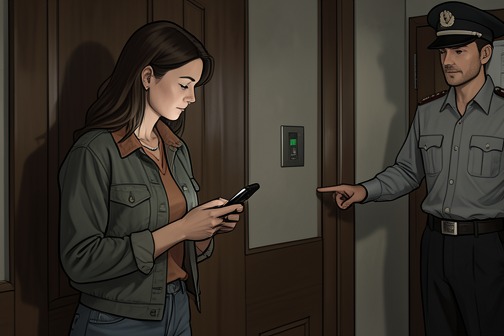
Living in [Catskill](entity:location-recall-location-catskill-462bc197e15a), [Kendra Rae Phillips](entity:character-recall-character-kendra-rae-phillips-f9400d49b726) replayed a voicemail from Nella, who was distressed about her job, [Vera](entity:character-recall-character-vera-dfabe34d628c), and the warnings telling her to leave Wagner. Hearing Wagner’s name brought Kendra’s past rushing back and made her suspect that [Lynn](entity:character-recall-character-lynn-3c703b7975ca) had drawn Nella into the same danger.
Kendra searched for [Hazel](entity:character-recall-character-hazel-82949b6ba57f) and found the [Young, Black ’n’ Lit](entity:organization-recall-organization-young-black-n-li-ea5487ec5c74) event at [Curl Central](entity:location-recall-location-curl-central-3ba45220e11e), where Richard was listed as a guest. She recognized his public diversity efforts as potentially self-serving and, after revisiting the old cover proof of herself and [Diana](entity:character-recall-character-diana-baf651a1725a), chose to call Lynn rather than remain isolated.
September 26, 2018, morning
Hazel Takes the Floor
At Wagner’s marketing meeting, [Hazel](entity:character-recall-character-hazel-82949b6ba57f) discussed [Needles and Pins](entity:object-recall-object-needles-and-pins-c5bcf5b0f4cc) as a book that could reach readers affected by addiction. She acknowledged that some might criticize Shartricia but publicly praised Colin’s portrayal overall, while Nella sat in the room and felt the attention turn toward her.
Hazel’s comments contradicted the private agreement Nella thought they had shared. The endorsement left Nella isolated in front of colleagues and suggested that Hazel could move between solidarity and institutional approval whenever it served her.
September 26, 2018, evening
Hazel Announces Wagner’s Commitments
Nella chose [Hazel](entity:character-recall-character-hazel-82949b6ba57f)’s [Young, Black ’n’ Lit](entity:organization-recall-organization-young-black-n-li-ea5487ec5c74) reading at [Curl Central](entity:location-recall-location-curl-central-3ba45220e11e) over a meeting with an agent, hoping to confront Hazel and be seen by Richard. Hazel arrived late with the student readers, then announced Richard’s donation and promised changes to Wagner’s hiring criteria and a review of its recent acquisitions.
The audience celebrated the announcement, while Nella felt redundant: the initiative she had struggled to advance now appeared to be Hazel’s achievement. When Richard failed to arrive for the event, Nella’s hope of speaking with him personally was frustrated.
September 26, 2018, late evening
Nella Confronts Hazel Afterward
After the reading, Nella tried to speak privately with [Hazel](entity:character-recall-character-hazel-82949b6ba57f) about the marketing meeting, Richard, and the notes. Hazel said she had finished [Needles and Pins](entity:object-recall-object-needles-and-pins-c5bcf5b0f4cc) and planned to offer Colin gentler criticism, arguing that this approach would make him listen.
Nella pressed Hazel about the warnings, but Hazel denied sending them and urged Nella to apologize to Colin and take her concerns to Richard rather than HR. Hazel’s advice sounded helpful, yet Nella noticed her unusual reaction to the notes and left more suspicious than before.
September 27, 2018
Shani Studies the OBGs
[Shani](entity:character-recall-character-shani-dcc6500dd47e) reported to [Lynn](entity:character-recall-character-lynn-3c703b7975ca) that she had watched [Hazel](entity:character-recall-character-hazel-82949b6ba57f)’s event and observed Nella and Hazel speaking afterward. Shani believed Nella still seemed unconverted, but Lynn would not authorize contact based on that impression alone.
Lynn reminded Shani of the Resistance’s rules and her own past losses. Shani, frustrated by the group’s secrecy and hesitation, wanted to do more than observe; the disagreement foreshadowed her decision to act without permission.
late September 2018
Richard Opens an Investigation
After [Hazel](entity:character-recall-character-hazel-82949b6ba57f) told Richard about the anonymous warnings, he privately asked Nella what they said and claimed Wagner would investigate. He said Natalie would speak with the mail staff and announced that mandatory Diversity Town Halls would return.
Richard also told Nella that [Jesse Watson](entity:character-recall-character-jesse-watson-59b7b542fc1c) might meet with Wagner and that she could have a role in his book, while suggesting she was close to a promotion. His mixture of reassurance and requests for secrecy revived Nella’s hope, but his focus on the warnings and his knowledge of her situation left her uneasy.
September 2018, before October 20
Nella Drafts an Email to Jesse
Overworked and resentful after [Vera](entity:character-recall-character-vera-dfabe34d628c) asked her to apologize to Colin again, Nella began drafting an email to [Jesse Watson](entity:character-recall-character-jesse-watson-59b7b542fc1c). She wanted him to write a book for Wagner and hoped that a project by a prominent Black writer could give young Black readers a place in the publishing world.
Nella’s attempt to reach Jesse reflected both her ambition and her growing dissatisfaction with Wagner. She did not yet know that [Hazel](entity:character-recall-character-hazel-82949b6ba57f) had a connection to him, or that the company would use that connection to place the two women in competition.
October 20, 2018, morning
The Third Warning Appears
At a crowded Starbucks in Midtown, a Black man complimented Nella and handed her a napkin that she first mistook for a phone number. On it was a warning that Wagner was dangerous and that she was running out of time, along with a Massachusetts number.
Nella texted the number and learned that the man was a friend of the person contacting her. The stranger asked her to meet at the intersection of 100th Street and Broadway, then sent one more cryptic message: [Hazel](entity:character-recall-character-hazel-82949b6ba57f)’s name was not Hazel.
October 20, 2018, afternoon
Shani Defies Lynn’s Orders
[Shani](entity:character-recall-character-shani-dcc6500dd47e) decided to meet Nella despite [Lynn](entity:character-recall-character-lynn-3c703b7975ca)’s insistence that she wait. She believed Nella deserved to know what was happening and had grown impatient with the Resistance’s refusal to act, especially after [Kendra Rae Phillips](entity:character-recall-character-kendra-rae-phillips-f9400d49b726) told her about the connection between Richard, [Diana](entity:character-recall-character-diana-baf651a1725a), and the hair-grease operation.
As Shani reached the meeting point, Lynn called and ordered her to go dark. Shani threw her phone away and tried to flee, but someone seized her and pulled her into a black sedan before she could reach Nella.
October 20, 2018, afternoon
Nella Witnesses the Abduction
Nella waited near the meeting point and saw a young Black woman with a crescent-shaped scar on her head arrive. Before Nella could approach, another Black woman grabbed the stranger and pulled her into a sedan.
Nella could not tell whether the woman was being rescued or abducted. A second person later retrieved the discarded phone from the garbage, leaving Nella with more questions and no clear way to identify anyone involved.
October 20, 2018, later that day
Kendra Reveals Wagner’s Past
Kendra met with [Shani](entity:character-recall-character-shani-dcc6500dd47e) and [Lynn](entity:character-recall-character-lynn-3c703b7975ca) at [Joe's Barbershop](entity:location-recall-location-joe-s-barbershop-5c404c7429db) and explained her history with Wagner. She believed Richard had turned [Diana](entity:character-recall-character-diana-baf651a1725a) against her after her public comments, and that Diana had helped apply [Imani](entity:character-recall-character-imani-3e59d6c7b288)’s formula to change her behavior.
Shani recognized that the case was far larger than her own experience at [Cooper’s Magazine](entity:organization-recall-organization-cooper-s-magazin-a2885c1c754b). Kendra asked what Shani had seen [Hazel](entity:character-recall-character-hazel-82949b6ba57f) give Nella, linking the present-day warnings and hair products to the older scheme.
October 20, 2018, evening
Nella Meets the Resistance’s Caller
After the abduction, the discarded phone called Nella. An older woman apologized for the frightening scene and said people had been watching over her, though she refused to identify herself or explain what had happened to the scarred woman.
The caller sent Nella a photograph of a younger Black woman in a [Cooper’s Magazine](entity:organization-recall-organization-cooper-s-magazin-a2885c1c754b) sweatshirt. Nella recognized [Hazel](entity:character-recall-character-hazel-82949b6ba57f)’s earlier appearance and was told to keep investigating. The call transformed Nella’s suspicions into a direct invitation to uncover Hazel’s real identity.
October 25, 2018
Nella Chooses Hazel’s Party
Nella and [Malaika](entity:character-recall-character-malaika-3da38713022c) went to [Hazel](entity:character-recall-character-hazel-82949b6ba57f)’s brownstone for a natural-hair gathering, despite Malaika’s doubts about Hazel. The guests included [Juanita](entity:character-recall-character-juanita-626a09c07275), Ebonee, and Kiara, while a photograph and a story about Hazel’s grandparents raised questions about the identity and history Hazel had presented.
As Hazel worked on Nella’s hair, Nella relaxed into the intimacy of a familiar Black hair-care ritual. She accepted the moment of connection even as Malaika questioned the unlabeled [Smooth’d Out](entity:object-recall-object-smooth-d-out-6748cbb28e60) product and Nella noticed that the gathering might be part of something more calculated.
October 25, 2018, during the party
Nella Searches Hazel’s Room
While the others were occupied, Nella slipped into [Hazel](entity:character-recall-character-hazel-82949b6ba57f)’s bedroom and searched for evidence. The room’s impersonal neatness offered few clues, but a manila folder hidden near the television held photographs, cities, coded numbers, and handwritten observations about Black women.
Nella found images of Ebonee, Kiara, Camille, and herself, along with a photograph of [Kendra Rae Phillips](entity:character-recall-character-kendra-rae-phillips-f9400d49b726). Her own file noted that she seemed complacent and that jars of product were due. The discovery confirmed that Hazel’s apparent friendship and advice were part of a broader effort to monitor and change women.
October 25, 2018, after the search
The Files Name Nella
On the train home, Nella showed [Malaika](entity:character-recall-character-malaika-3da38713022c) photographs of [Hazel](entity:character-recall-character-hazel-82949b6ba57f)’s files. The records described the women’s behavior and attitudes, and Nella found an entry dating back to [June 2016](entity:time-recall-time-june-2016-129911dbae49) that mentioned her boyfriend [Owen](entity:character-recall-character-owen-63fed795a993) and assessed her for conversion.
A later entry recorded that Nella had accepted hair grease and suggested an alternative plan. The notes were in Richard’s handwriting, connecting Hazel’s work to the head of Wagner and showing that Nella had been under observation long before Hazel arrived.
October 25, 2018, late evening
Nella Finds Kendra’s Record
Nella and [Malaika](entity:character-recall-character-malaika-3da38713022c) examined the file for [Kendra Rae Phillips](entity:character-recall-character-kendra-rae-phillips-f9400d49b726), whose records stretched back decades and included a recent sighting near 100th Street and Broadway. The entry also referred to [Shani](entity:character-recall-character-shani-dcc6500dd47e)’s phone, allowing Nella to connect the woman she had seen taken away with the person who had been trying to contact her.
Malaika urged Nella to send the evidence to the person who had helped her, but Nella delayed. She was exhausted, frightened, and unsure whether to trust the information or the people connected to it.
October 26, 2018, before the Jesse meeting
Hazel Admits the Scheme
[Hazel](entity:character-recall-character-hazel-82949b6ba57f) confronted Nella in the Wagner bathroom and admitted that she had expected Nella to find the files. She explained that Richard had kept Nella at the company to watch her and that the apparent offer of a promotion and a role with Jesse had been a way to manage her.
Hazel described the hair products as “[social lubricants](entity:expression-recall-expression-social-lubricants-c833bb5fe115)” meant to make Black women more compliant with white workplaces while dulling their guilt about conformity. She said many women had been recruited or referred to her, and that some eventually welcomed the change even if they had not initially consented to it.
October 26, 2018, before the Jesse meeting
Nella Says Yes
[Hazel](entity:character-recall-character-hazel-82949b6ba57f) pressed Nella to accept the product and argued that it could free her from exhaustion and the pain of confronting racism. Nella resisted, but the pressure brought on intense physical pain and made it difficult for her to think clearly.
Nella finally whispered yes, then realized Hazel believed she had been using [Smooth’d Out](entity:object-recall-object-smooth-d-out-6748cbb28e60) since the [Curl Central](entity:location-recall-location-curl-central-3ba45220e11e) reading. Nella had barely used the product, so the supposed conversion had not taken hold; Hazel’s confidence that Nella had already changed was mistaken.
October 26, 2018, noon
Jesse’s Meeting Begins
Nella arrived early for the Wagner meeting with [Jesse Watson](entity:character-recall-character-jesse-watson-59b7b542fc1c), determined to win his confidence and escape the company with an opportunity. Jesse was already there, but his manner and appearance seemed unusually polished and subdued to her.
When Jesse described a graphic novel about two contrasting characters who become partners, Nella tried to steer him toward political subjects and Black history. He rejected that framing and instead named Lethal Weapon and Mel Gibson as inspirations, leaving Nella confused about what had changed in him.
October 26, 2018, during the Jesse meeting
Hazel’s Influence Becomes Clear
[Hazel](entity:character-recall-character-hazel-82949b6ba57f) arrived and greeted Jesse warmly, taking the seat he had offered Nella earlier. Nella noticed how much more animated he seemed with Hazel and how his newly tidy hair and restrained appearance resembled the effects she had seen elsewhere.
The realization drew Nella toward the bathroom, where she tried to clear her head. Jesse’s changed demeanor suggested that Hazel had already influenced him, and the meeting she had hoped would be her escape began to look like another demonstration of the scheme’s reach.
January 2019
Shani Sends Her Exposé
In Portland, [Shani](entity:character-recall-character-shani-dcc6500dd47e) prepared an exposé about OBGs and the network changing Black women. She had accumulated screenshots, notes, and evidence from her time with the Resistance and was ready to send the piece to her editor, Gwen.
Shani hesitated because Kendra had asked her to keep quiet while a larger plan unfolded. But Kendra had disappeared again, and Shani feared that waiting would leave the truth buried. She sent the article, choosing disclosure over another round of secrecy.
January 2019, shortly after Shani sends the article
Delilah Arrives at Scope
[Shani](entity:character-recall-character-shani-dcc6500dd47e) received a delivery failure notice for her exposé and learned that Gwen had left suddenly for a new opportunity in Missouri. The article that might have exposed the scheme was now stranded in a workplace undergoing a leadership change.
A new interim editor, Delilah Henson, arrived with straight hair, a polished manner, and the familiar syrupy scent associated with the products. She recognized Shani and approached her with an intimate invitation to speak frankly, echoing the opening gambit [Hazel](entity:character-recall-character-hazel-82949b6ba57f) had once used with Nella.
January 2019, ending
The Cycle Repeats
Delilah asked [Shani](entity:character-recall-character-shani-dcc6500dd47e) what it was really like at Scope and called her “sis,” placing Shani in the same vulnerable position Nella had occupied at Wagner. Shani recognized the pattern in the new editor’s voice and presence, but the article she had sent was undelivered and her warning had not reached the world.
The ending leaves Shani facing a new version of the danger she had tried to expose. The operation has not been stopped; it has followed her into another workplace, suggesting that the struggle against the transformation is far from over.